
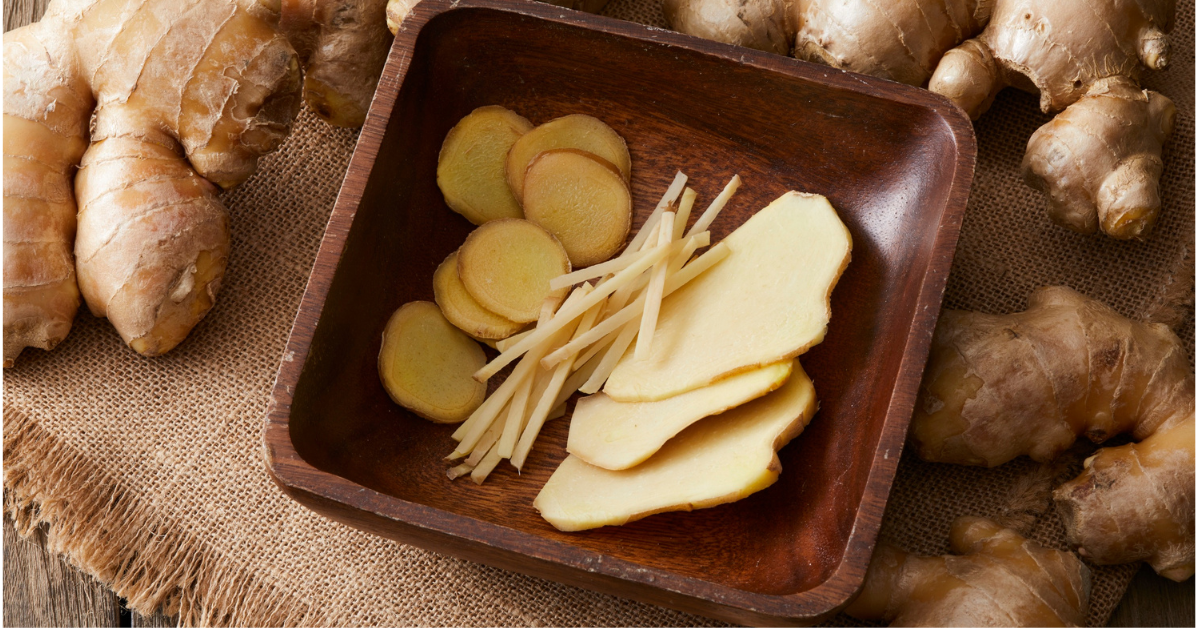
Ginger: A Functional Root
Ginger is one of those foods that has been used across cultures for centuries to support digestion, ease nausea, and settle the stomach. What research is beginning to show is that many of these traditional uses have a real physiological basis.
Beyond being a flavorful kitchen staple, ginger contains bioactive compounds that interact with digestion, inflammation, and possibly the gut microbiome.

Rosemary: A Flavorful Herb for Gut Support
Rosemary is often thought of as a simple culinary herb. But like many herbs and spices, it carries a dense concentration of bioactive plant compounds that interact with digestion, inflammation pathways, and overall metabolic health.
In a microbiome-supportive diet, rosemary plays a different role than high-fiber foods like vegetables or legumes. Instead, it contributes through polyphenols and aromatic compounds that support gut and systemic balance.
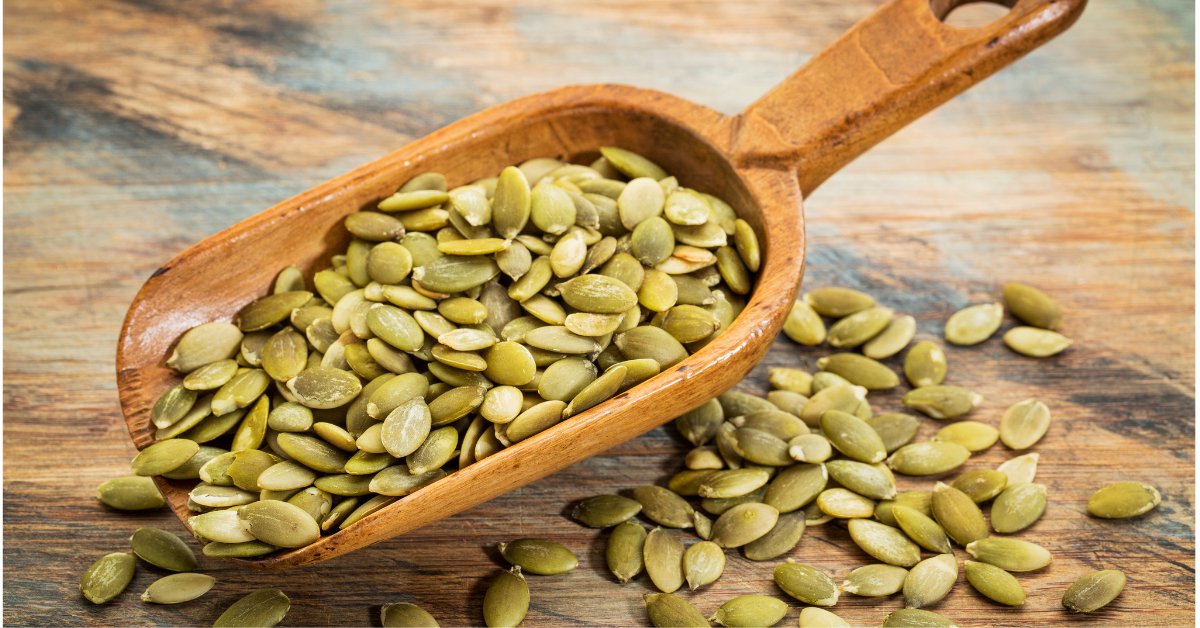
Pumpkin Seeds: Small but Mighty
Pumpkin seeds (also called pepitas) are often thought of as a simple snack or salad topping. But nutritionally, they offer a combination of fiber, healthy fats, and micronutrients that can meaningfully support gut and metabolic health.
While they are not a classic “prebiotic fiber” food like inulin-rich vegetables, pumpkin seeds contribute to microbiome diversity through a different but important pathway: nutrient density + fermentable plant compounds that support a healthy gut environment.
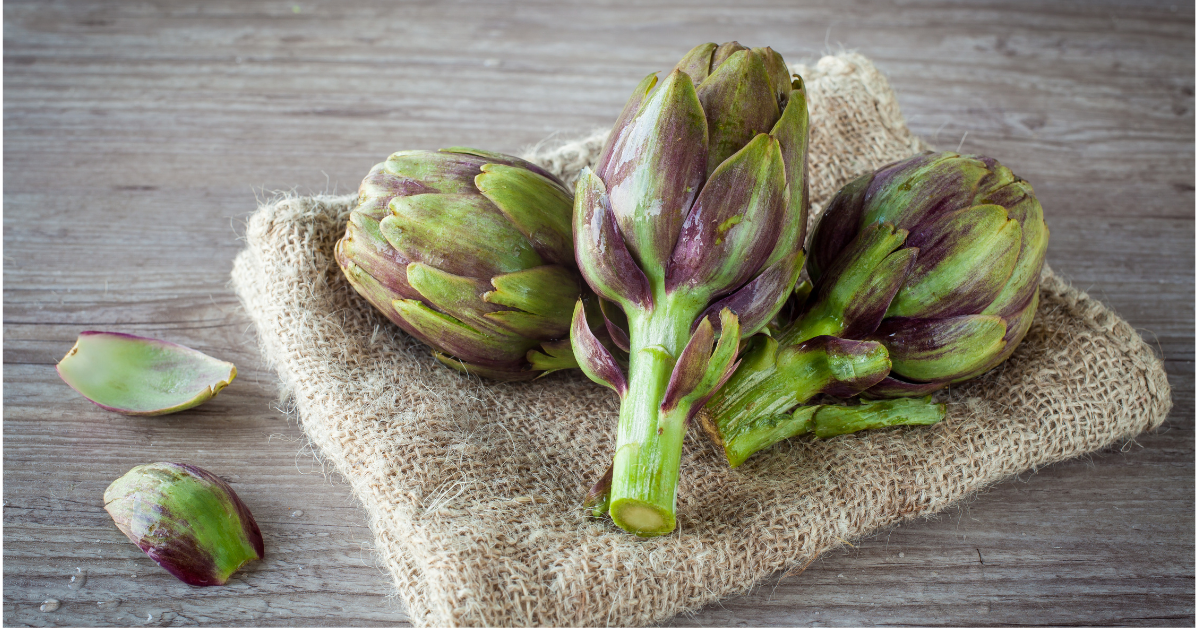
Artichokes: Prebiotic Powerhouses
When we think about gut health, we often jump straight to probiotics. But the real foundation of a diverse, resilient microbiome starts with something less discussed but highly influential: prebiotic fibers.
One of the best food sources in this category is the artichoke.
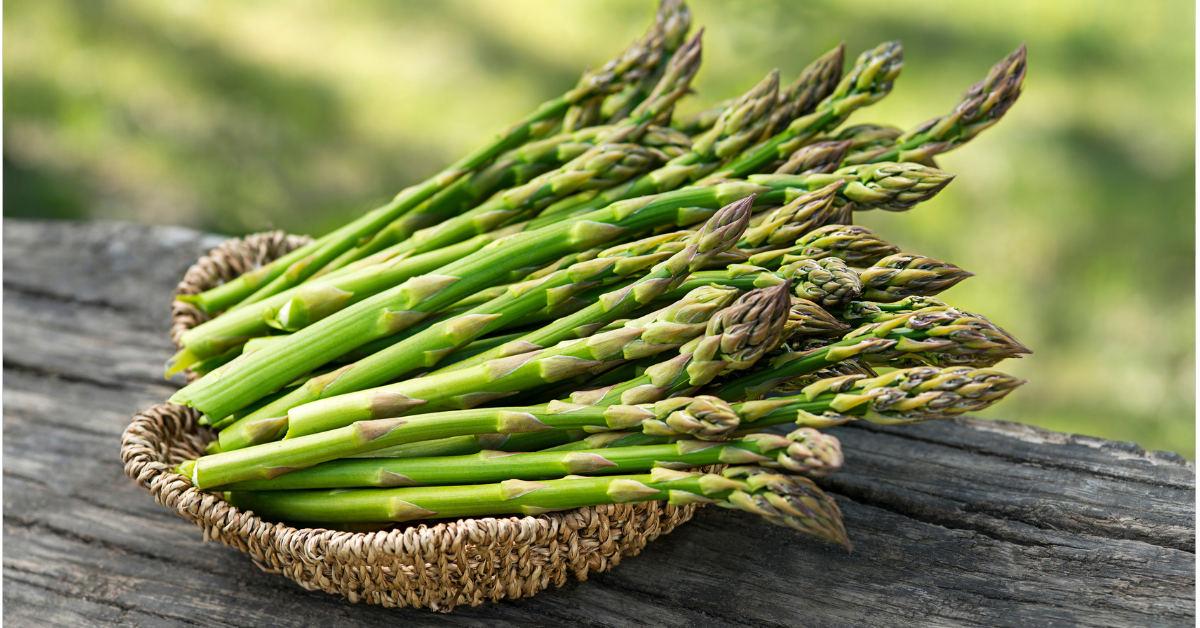
Asparagus: Small Food, Meaningful Benefits
Asparagus is one of those foods that earns its place on your plate.
It supports digestion, feeds beneficial gut bacteria, and provides nutrients your liver relies on every day. Because the gut and liver are closely connected, foods that support one tend to support the other.
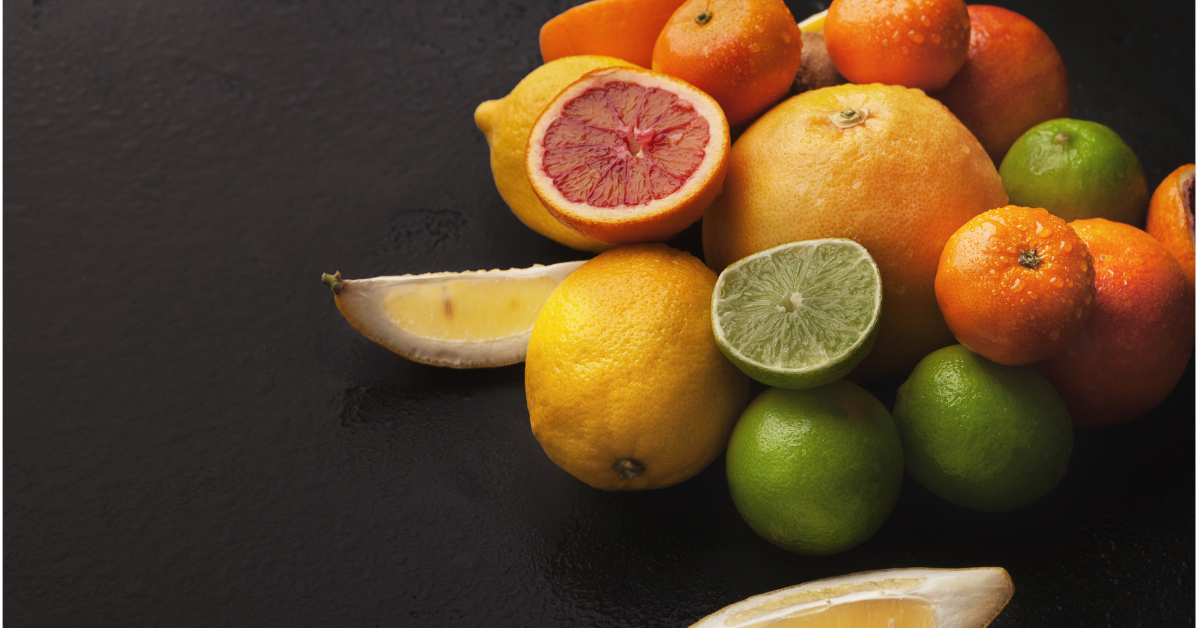
Citrus: More Than Vitamin C
Citrus fruits—lemons, limes, oranges, and grapefruit—are often associated with vitamin C.
But their real value goes much deeper.
Citrus plays a meaningful role in supporting the gut–liver axis—the direct connection between your gut and liver that influences inflammation, detoxification, and metabolic health.
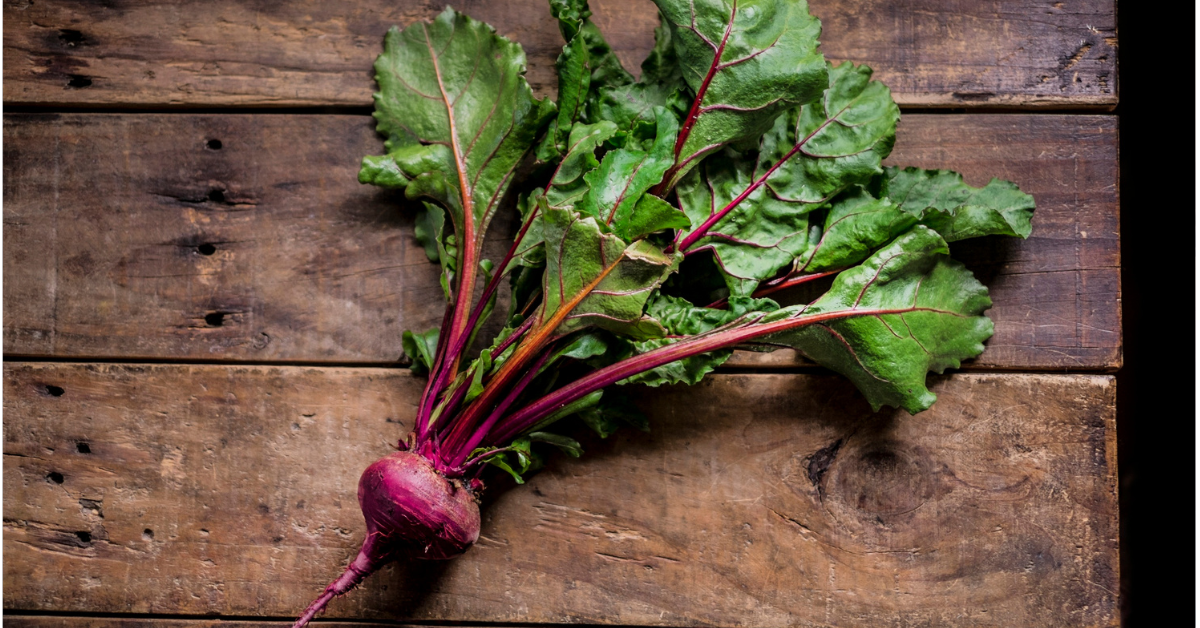
Why Your Liver Loves Beets
If your liver had a personality, it would be the quiet overachiever—working around the clock to filter, process, balance hormones, and keep your metabolism running smoothly.
But your liver doesn’t work alone. It’s in constant communication with your gut. Everything you absorb from food travels directly from your gut to your liver—nutrients, toxins, and byproducts alike.
When your gut is healthy, your liver can keep up just fine.
When it’s not, your liver ends up picking up the slack. And over time, that can start to matter.
This is where simple, supportive foods come in. Like beets.
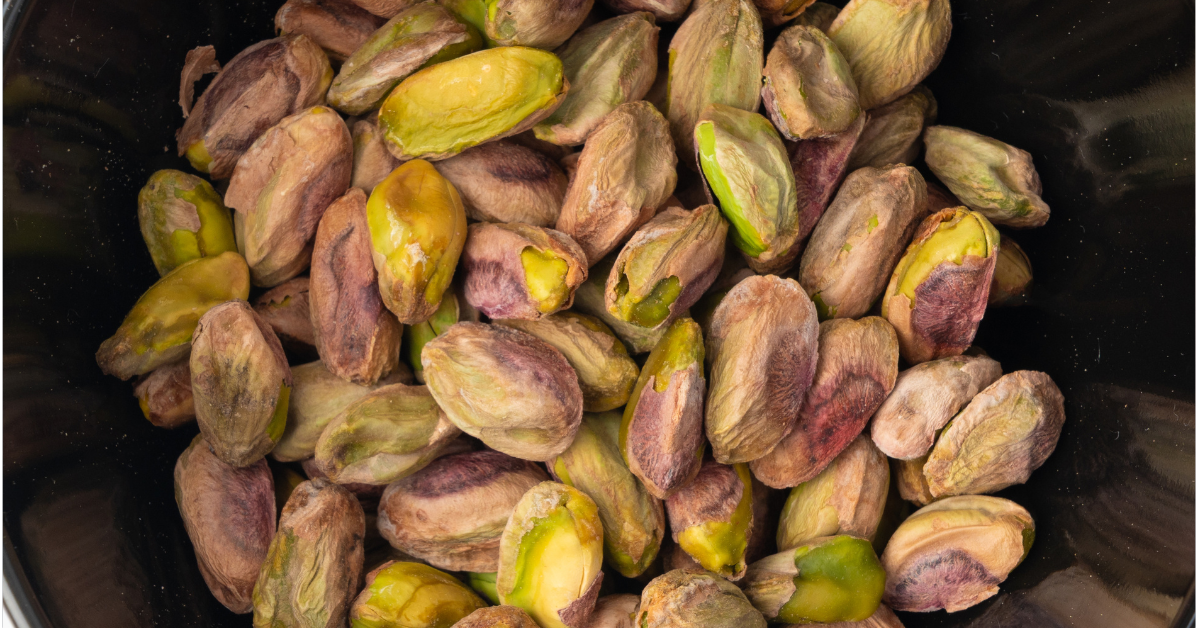
Pistachios: A Little Nut That Packs a Punch
Nuts get a bad rap because they’re high in fat, but pistachios are a perfect example of how a small snack can actually support metabolic health.

Mushrooms: A Metabolic Reset from the Forest Floor
Mushrooms bring a deep, earthy flavor that can transform a meal. But beyond their taste and texture, they offer a fascinating combination of nutrients that support metabolic health in ways scientists are still learning about.
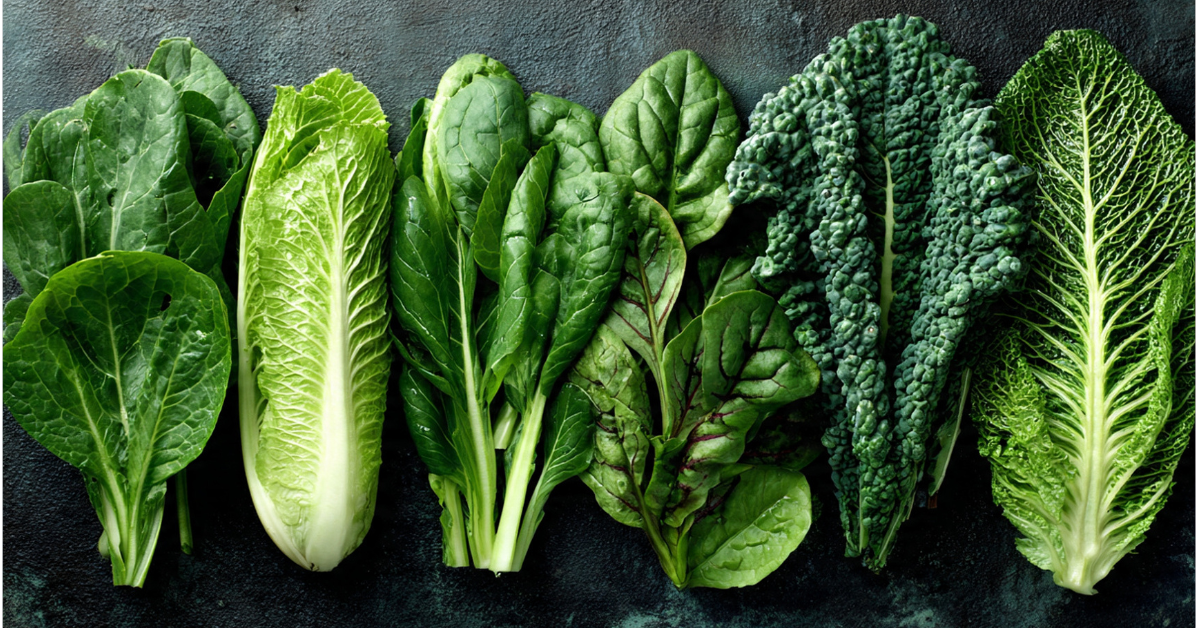
Bitter Greens: Small Leaves with Big Metabolic Power
The human palate tends to chase sweet and salty flavors, but the body often benefits from foods that taste a little bitter. Leafy greens like spinach, kale, arugula, mustard greens, and dandelion greens contain a powerful mix of fiber, minerals, and plant compounds that support metabolism in several ways.
These aren’t just “low-calorie vegetables.” They are tiny metabolic helpers, interacting with the gut, liver, pancreas, and even our blood vessels.

Dates: Nature’s Sweet Boost for Immune Health
Sweet, chewy, and deeply satisfying, dates are more than a treat. These small fruits deliver fiber, antioxidants, vitamins, and minerals that support immune function, gut health, heart health, and steady energy.
Simple. Portable. Surprisingly powerful.
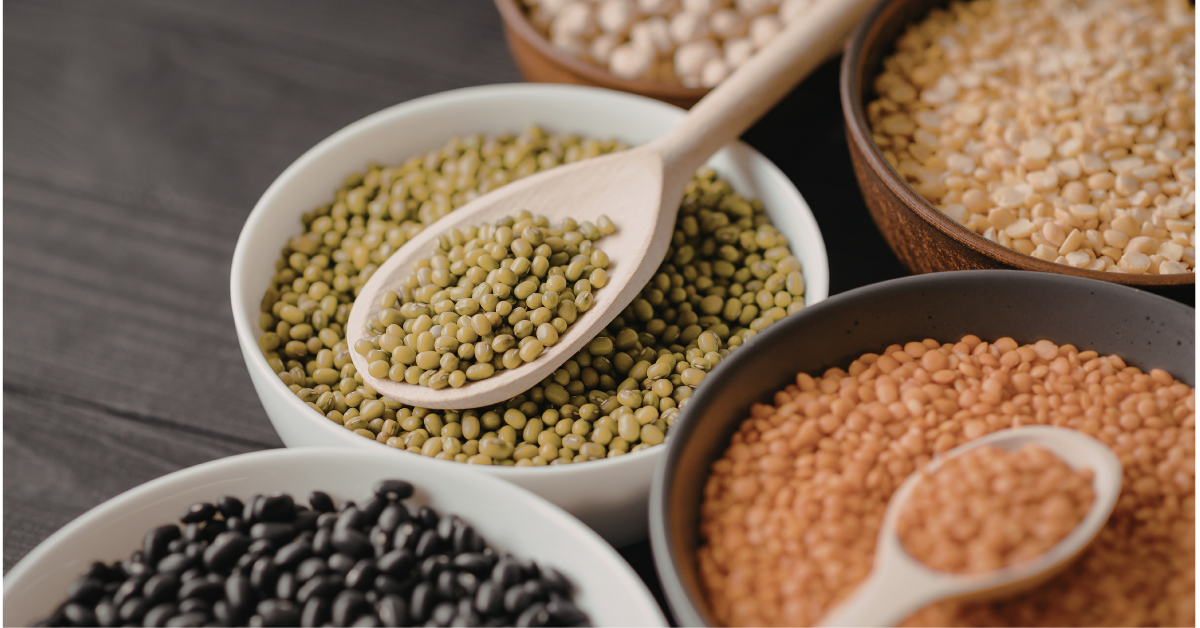
Lentils: Simple Food, Big Benefits
Supporting your immune system starts with everyday foods that influence inflammation, gut health, blood sugar, and nutrient status. One of the most powerful—and often underestimated—foods for overall health is the lentil.
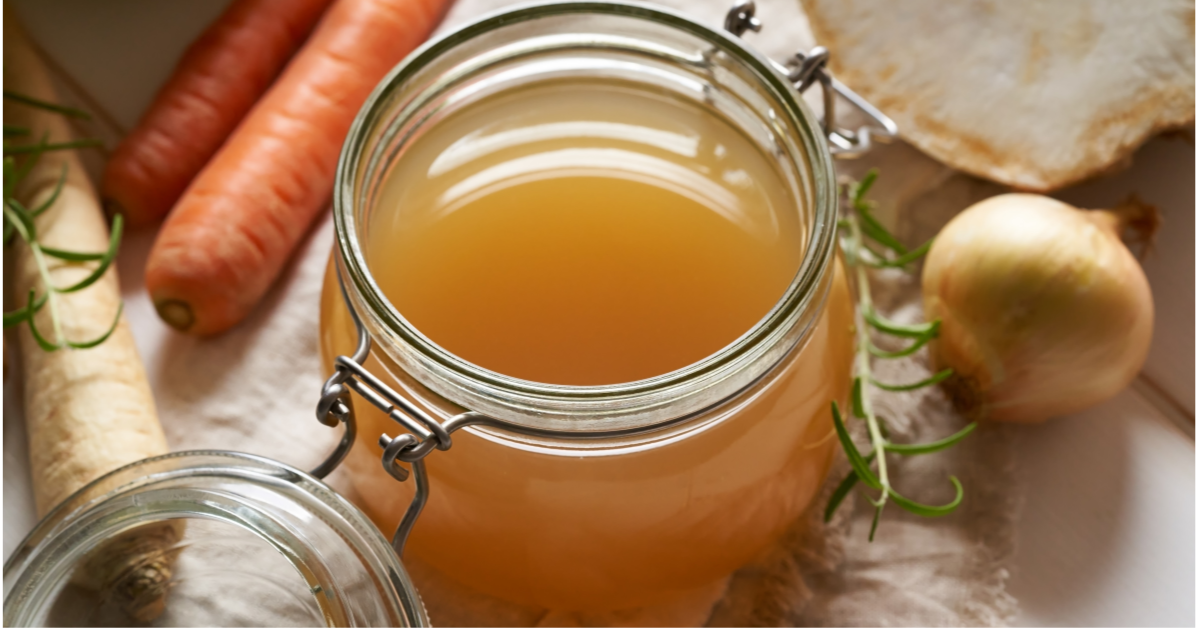
Bone Broth: Nourish Your Immunity
Bone broth has been a staple in traditional diets around the world for centuries, and for good reason. From Asian and Mediterranean cultures to Indigenous cuisines, simmering bones for hours has long been a method of extracting nutrients in a form that is easy for the body to absorb.
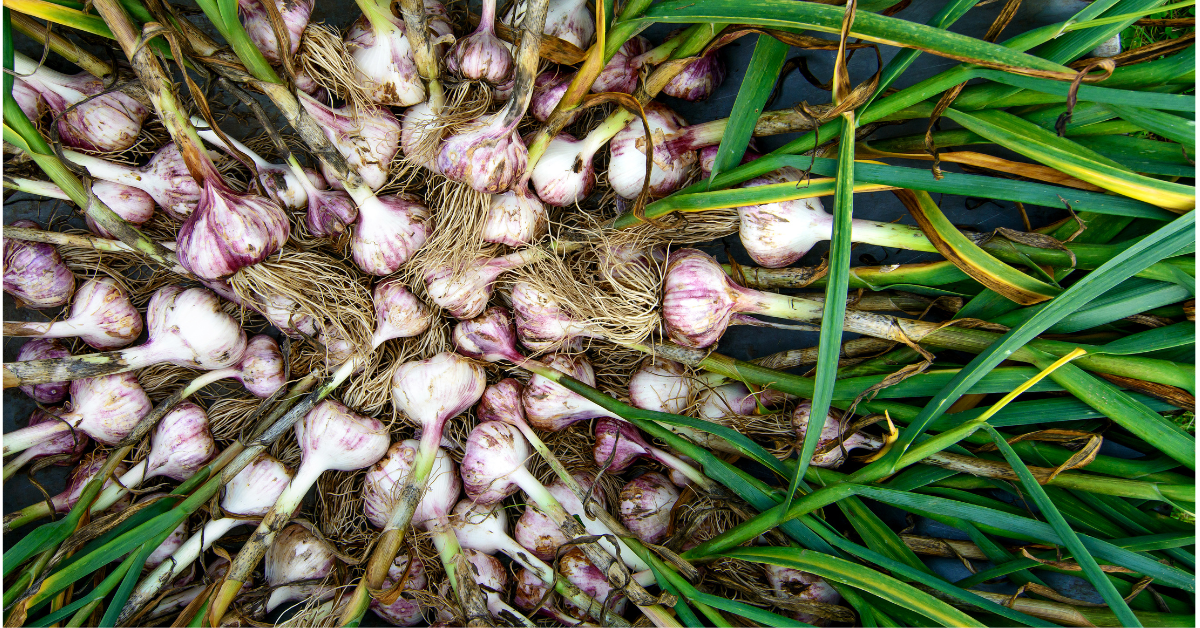
Garlic: A Superfood for Immune Health
When it comes to supporting your immune system, garlic is a standout. Beyond its bold flavor, it’s packed with natural compounds that help your body respond to germs, manage inflammation, and stay resilient all year long.

Eating for Immune Health
It’s that time of year when people are often under the weather, and our attention turns to staying healthy. Most immune work happens quietly - at the table, not at the pharmacy. Your immune system relies on steady energy, key nutrients, and metabolic balance to function well. Food supplies the raw materials your immune system uses every day to respond, repair, and recover.

The Dark Matter of Nutrition : The Key to Vitality
When most people think about nutrition, they focus on protein, carbs, fats, vitamins, and minerals. But there’s a hidden world in your food that science is only just beginning to explore.
Have you heard of the “dark matter of food”? This phrase has been used by experts to refer to the thousands of bioactive compounds in food that aren’t captured on nutrition labels or in standard nutrient databases. These molecules—phytonutrients, flavonoids, terpenes, and more—interact with our bodies in ways that can profoundly affect health.