
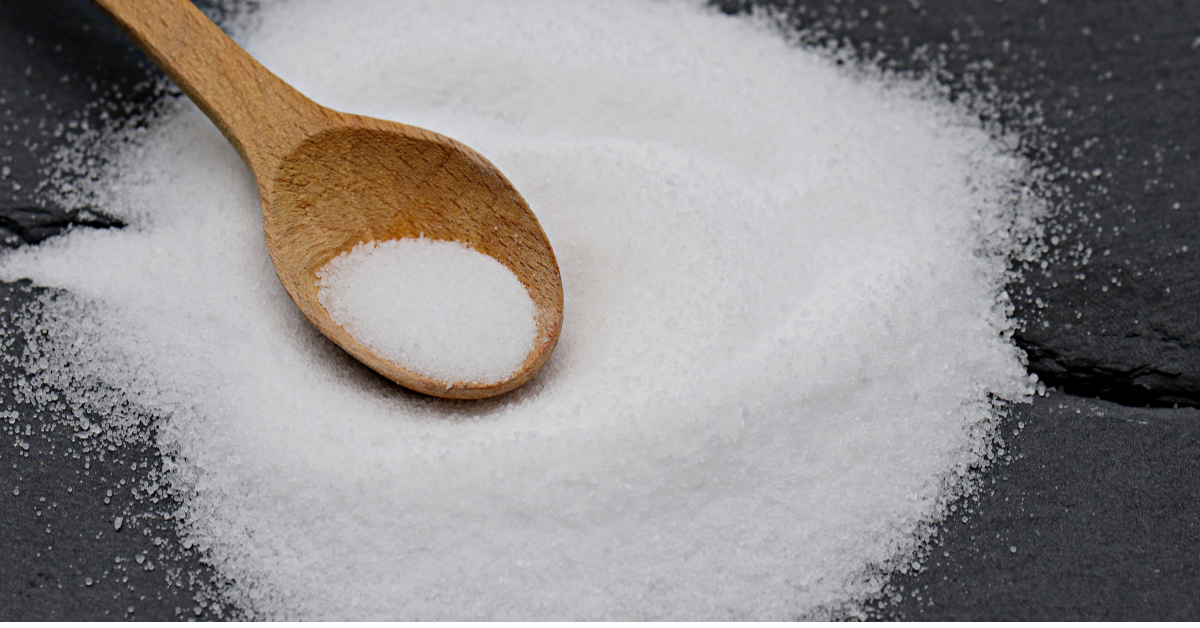
How to Identify Hidden Sugars
Added sugars aren’t always obvious on food labels. In fact, many foods that don’t even taste sweet—such as pasta sauces, salad dressings, flavored yogurts, granola bars, cereals, and packaged snacks—can contain surprising amounts of added sugar.
If you're interested in being more mindful of your sugar intake, learning how to read a food label is one of the most useful skills you can develop. Once you know where to look, identifying hidden sugars becomes much easier.
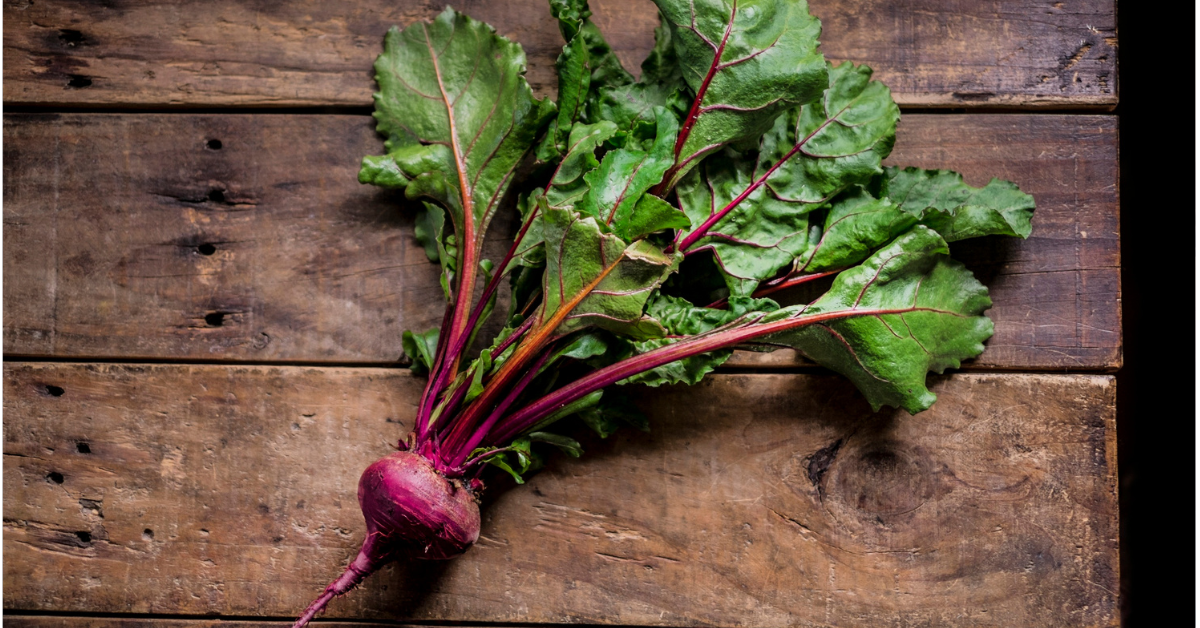
Why Your Liver Loves Beets
If your liver had a personality, it would be the quiet overachiever—working around the clock to filter, process, balance hormones, and keep your metabolism running smoothly.
But your liver doesn’t work alone. It’s in constant communication with your gut. Everything you absorb from food travels directly from your gut to your liver—nutrients, toxins, and byproducts alike.
When your gut is healthy, your liver can keep up just fine.
When it’s not, your liver ends up picking up the slack. And over time, that can start to matter.
This is where simple, supportive foods come in. Like beets.
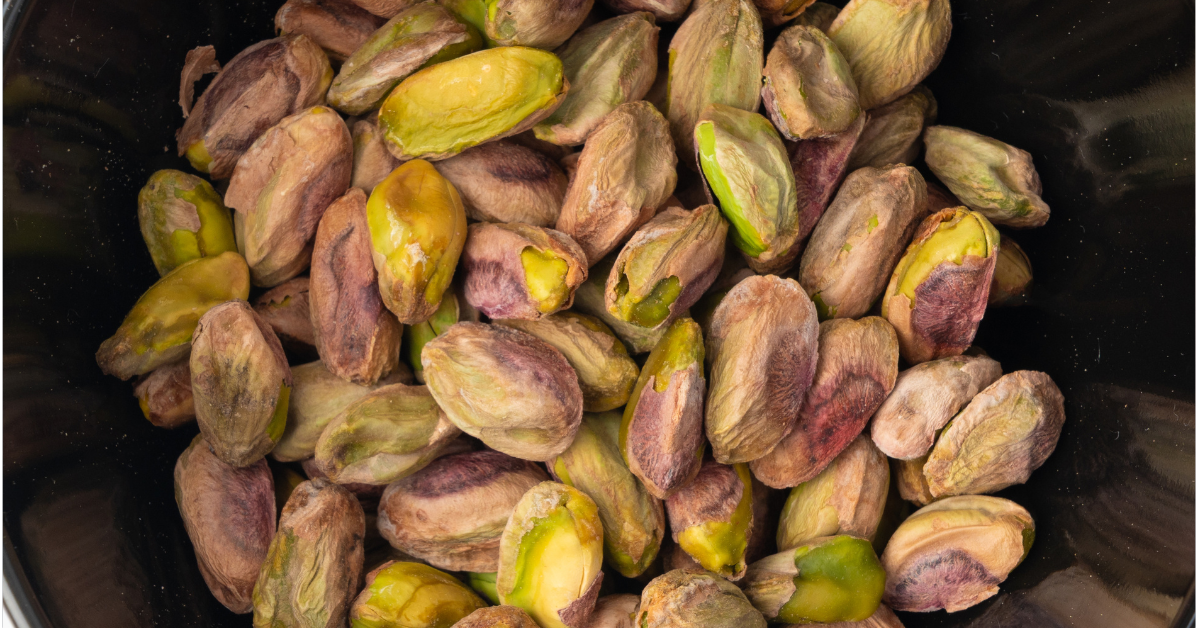
Pistachios: A Little Nut That Packs a Punch
Nuts get a bad rap because they’re high in fat, but pistachios are a perfect example of how a small snack can actually support metabolic health.

Salmon: The Metabolic Power of Omega-3
Some foods are metabolically dense—they deliver a powerful mix of nutrients that support energy, balanced inflammation, and healthy tissues. Salmon is one of them.

Mushrooms: A Metabolic Reset from the Forest Floor
Mushrooms bring a deep, earthy flavor that can transform a meal. But beyond their taste and texture, they offer a fascinating combination of nutrients that support metabolic health in ways scientists are still learning about.
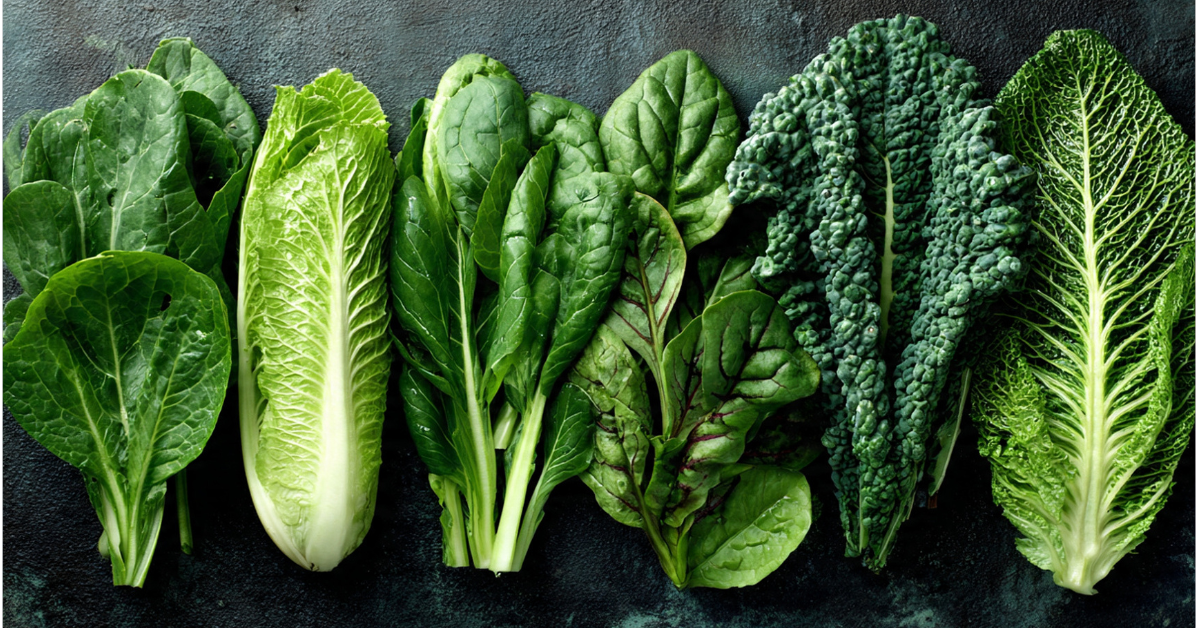
Bitter Greens: Small Leaves with Big Metabolic Power
The human palate tends to chase sweet and salty flavors, but the body often benefits from foods that taste a little bitter. Leafy greens like spinach, kale, arugula, mustard greens, and dandelion greens contain a powerful mix of fiber, minerals, and plant compounds that support metabolism in several ways.
These aren’t just “low-calorie vegetables.” They are tiny metabolic helpers, interacting with the gut, liver, pancreas, and even our blood vessels.