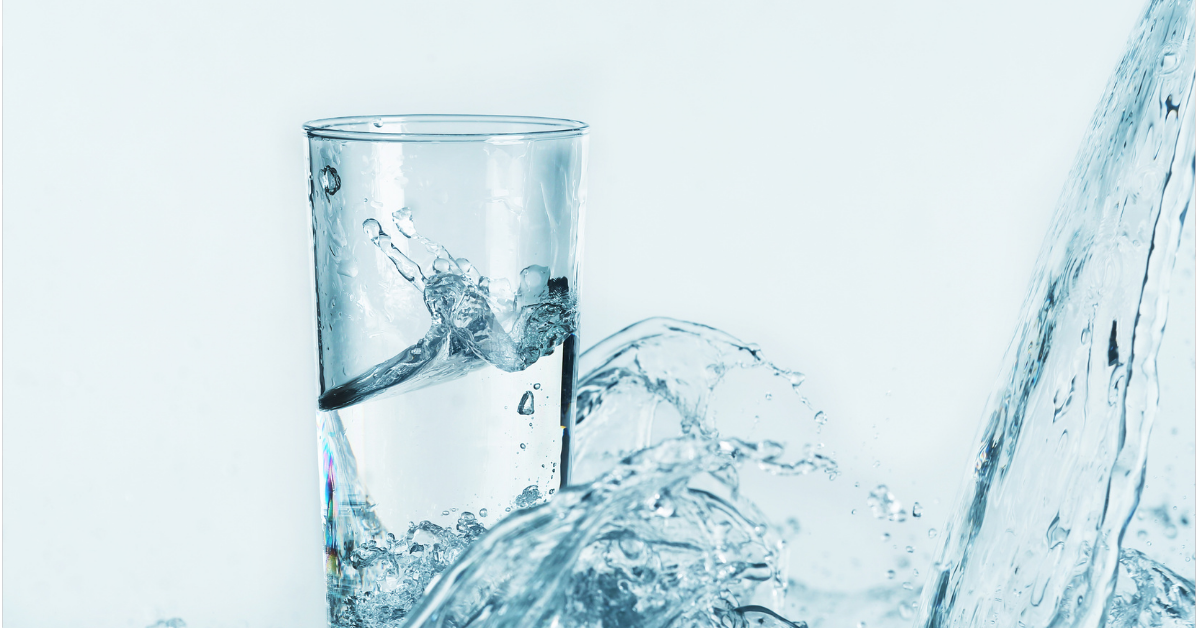
Nutrition Blind Spot: Are You Hydrating Enough?
Hydration is easy to overlook because it isn't usually part of the conversation about nutrition.
Unlike food, which naturally gets our attention at mealtimes, fluids can be easy to overlook as the day gets busy.
Fluid needs aren't one-size-fits-all.
Nutrition Blind Spot: Are You Getting Enough Fiber?
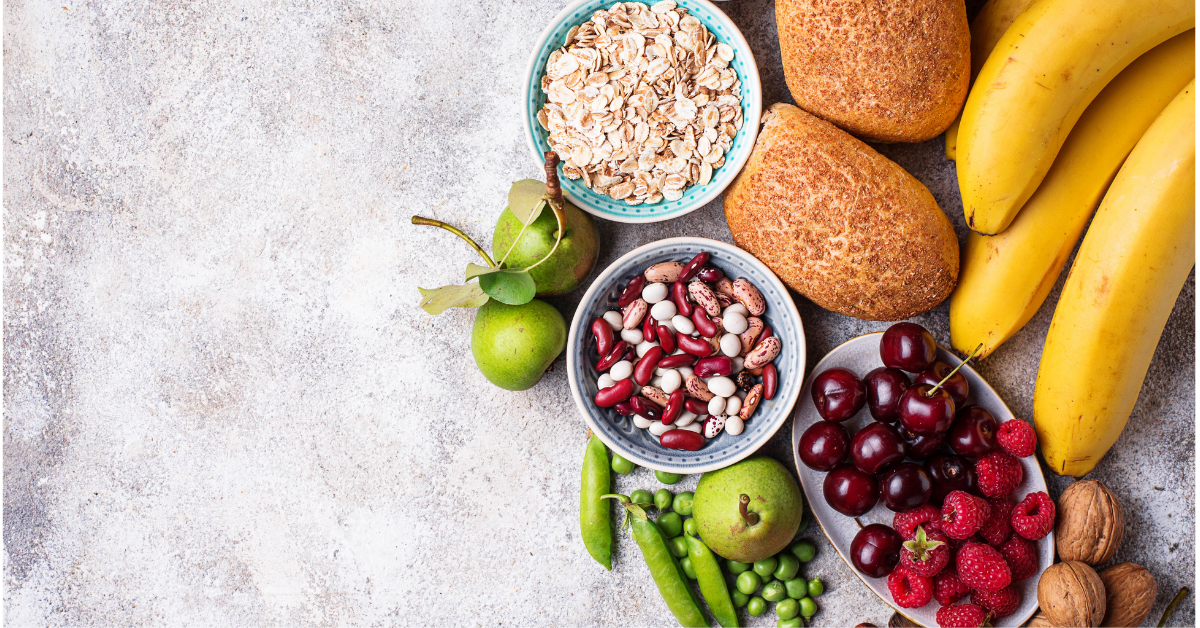
Fiber is one of those nutrients that shows up in a lot of healthy foods.
If you eat vegetables, enjoy fruit, choose oatmeal or whole grains, or sprinkle nuts and seeds into your meals, you’re already getting fiber.
And fiber comes from more places than we sometimes realize. Different plant foods provide different types and amounts of fiber, so variety can be just as interesting as quantity.
Nutrition Blind Spot: Are you Getting Enough Protein?
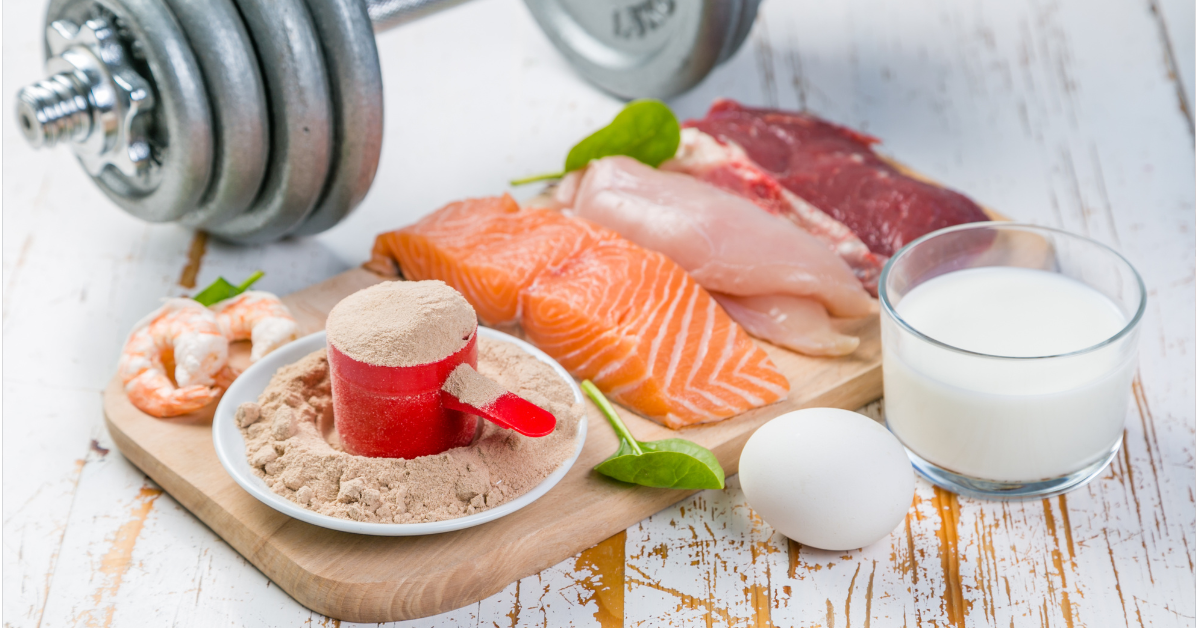
Protein is everywhere right now. Protein bars. Protein shakes. High-protein snacks. High protein everything!
But the more important questions are… are you getting enough protein to support your individual needs? And are you getting it consistently throughout the day?
The answer isn't the same for everyone.
What’s Your Nutrition Blind Spot?
You probably know what “healthy eating” looks like.
Eat more vegetables.
Choose whole grains.
Get enough protein.
Drink water.
Limit added sugar.
Eat less processed food.
But how do you know whether your diet is meeting your specific needs?
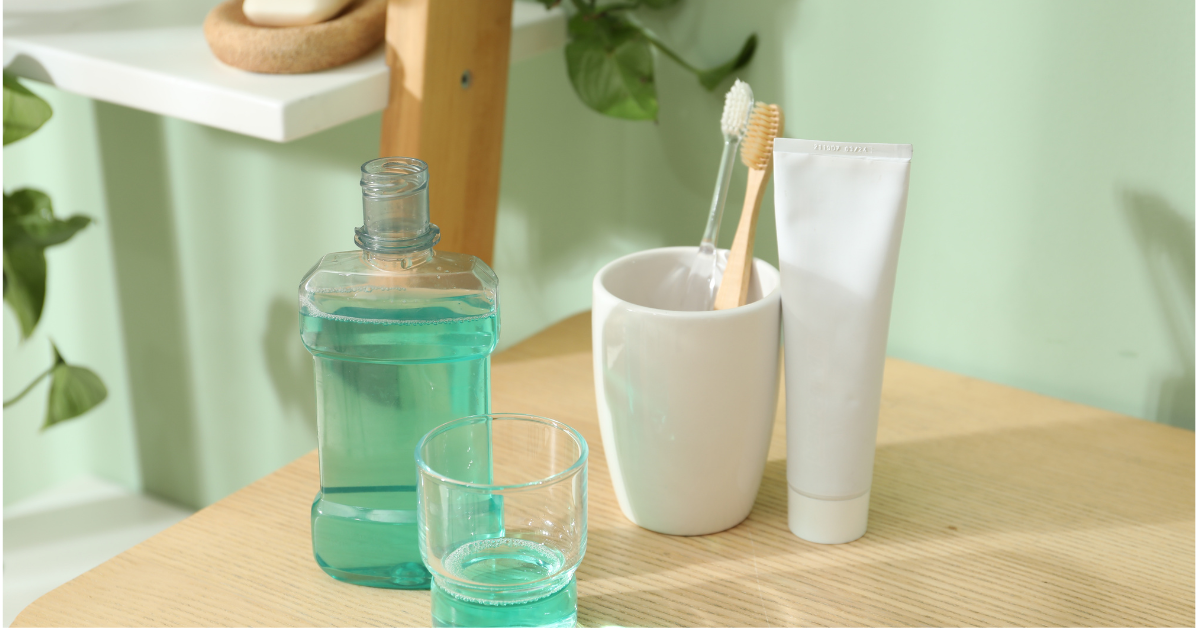
Alcohol-Based Mouthwash: Helping or Hurting?
Mouthwash is widely used for fresh breath and “killing germs,” but growing research suggests that not all bacteria in the mouth are harmful—and that broad-spectrum antiseptic mouthwashes, especially those containing alcohol, may have unintended effects on oral and cardiovascular health.
Tiny Changes, Big Impact
Small Shifts in Sleep, Activity, and Diet May Add Years to Your Life
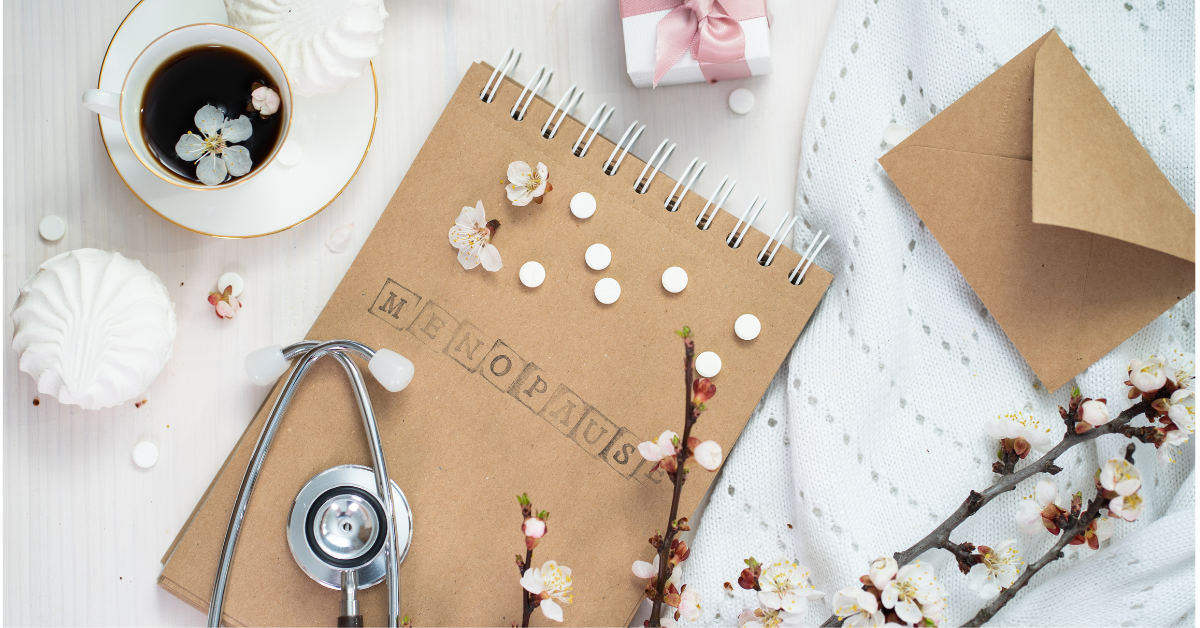
What If Menopause Isn’t a Time to Eat Less?
Menopause has been framed as a problem to manage.
Weight gain. Hot flashes. Brain fog. Mood swings. Joint aches. Sleep disruption.
The reflex response? Restrict. Cut carbs. Skip meals. Work out harder.
But what if we asked a better question:
How can food help us feel better — reduce symptoms — and support our health?
The Body Is Remarkably Tolerant of Imbalance — Until It Isn’t
We tend to think of health problems as events.
A heart attack. A diagnosis. A lab result flagged in red.
But the body remembers what we do repeatedly, even when genetics sets the starting point.
The human body is remarkably tolerant of imbalance — until it isn’t.