
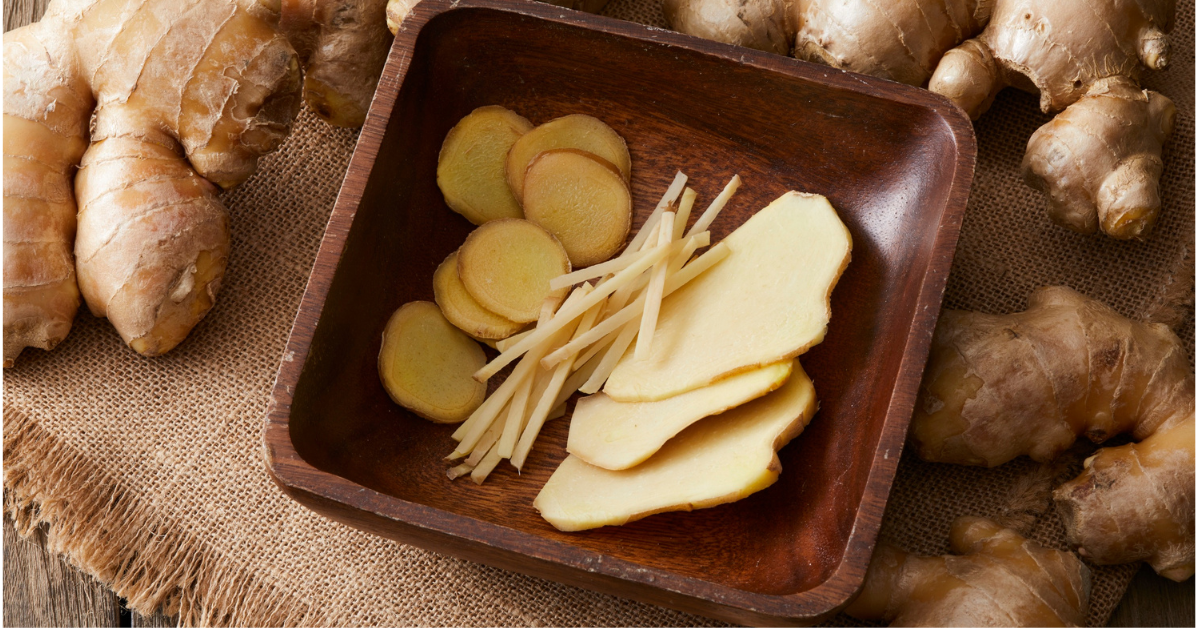
Ginger: A Functional Root
Ginger is one of those foods that has been used across cultures for centuries to support digestion, ease nausea, and settle the stomach. What research is beginning to show is that many of these traditional uses have a real physiological basis.
Beyond being a flavorful kitchen staple, ginger contains bioactive compounds that interact with digestion, inflammation, and possibly the gut microbiome.

Rosemary: A Flavorful Herb for Gut Support
Rosemary is often thought of as a simple culinary herb. But like many herbs and spices, it carries a dense concentration of bioactive plant compounds that interact with digestion, inflammation pathways, and overall metabolic health.
In a microbiome-supportive diet, rosemary plays a different role than high-fiber foods like vegetables or legumes. Instead, it contributes through polyphenols and aromatic compounds that support gut and systemic balance.
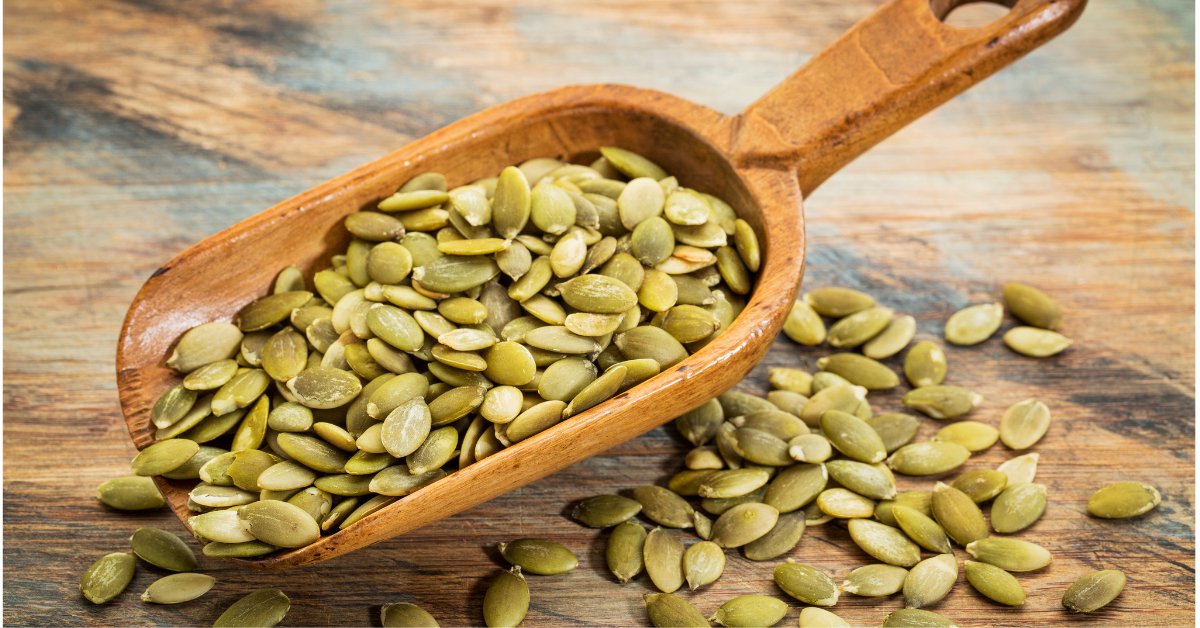
Pumpkin Seeds: Small but Mighty
Pumpkin seeds (also called pepitas) are often thought of as a simple snack or salad topping. But nutritionally, they offer a combination of fiber, healthy fats, and micronutrients that can meaningfully support gut and metabolic health.
While they are not a classic “prebiotic fiber” food like inulin-rich vegetables, pumpkin seeds contribute to microbiome diversity through a different but important pathway: nutrient density + fermentable plant compounds that support a healthy gut environment.
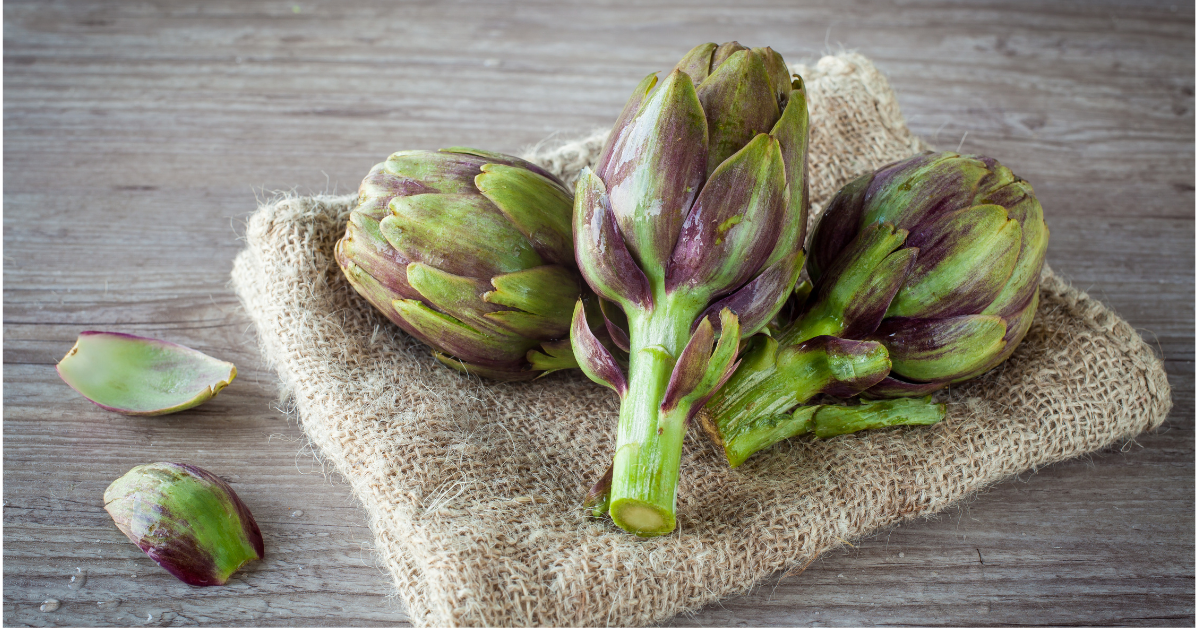
Artichokes: Prebiotic Powerhouses
When we think about gut health, we often jump straight to probiotics. But the real foundation of a diverse, resilient microbiome starts with something less discussed but highly influential: prebiotic fibers.
One of the best food sources in this category is the artichoke.
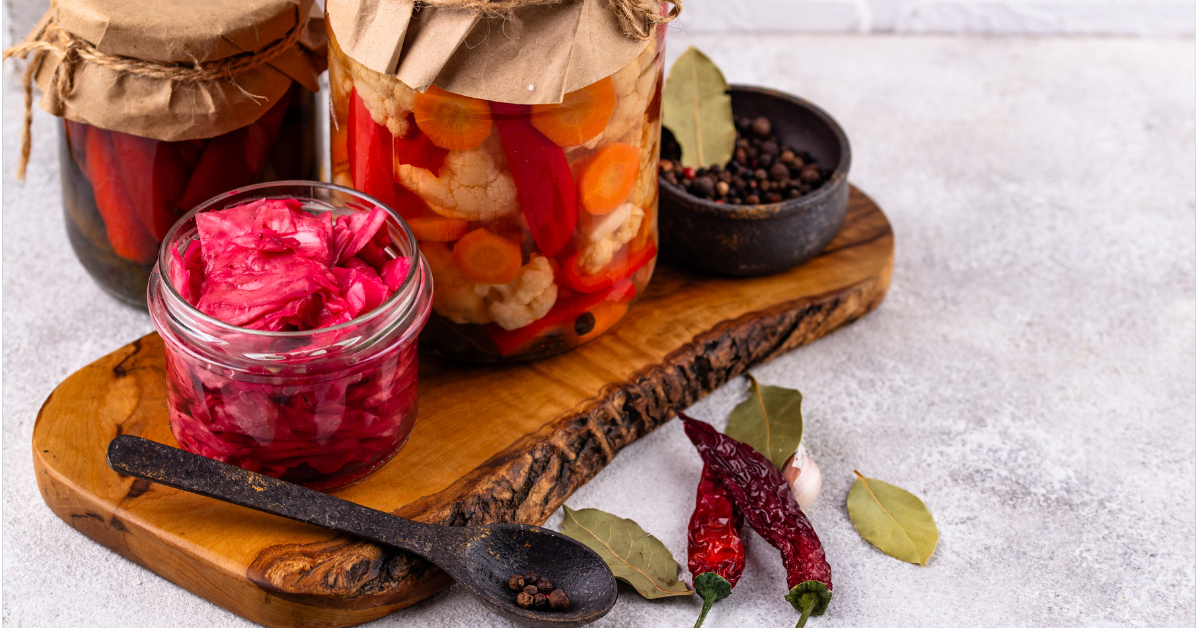
Fermented Veggies: For A Happy Gut
Fermented vegetables are one of the oldest forms of food preservation, but they’ve recently gained attention again for their potential health benefits. From sauerkraut to kimchi to fermented vegetables of all kinds, these foods are created through natural lactic acid fermentation, where beneficial bacteria help transform vegetables into tangy, flavorful foods.
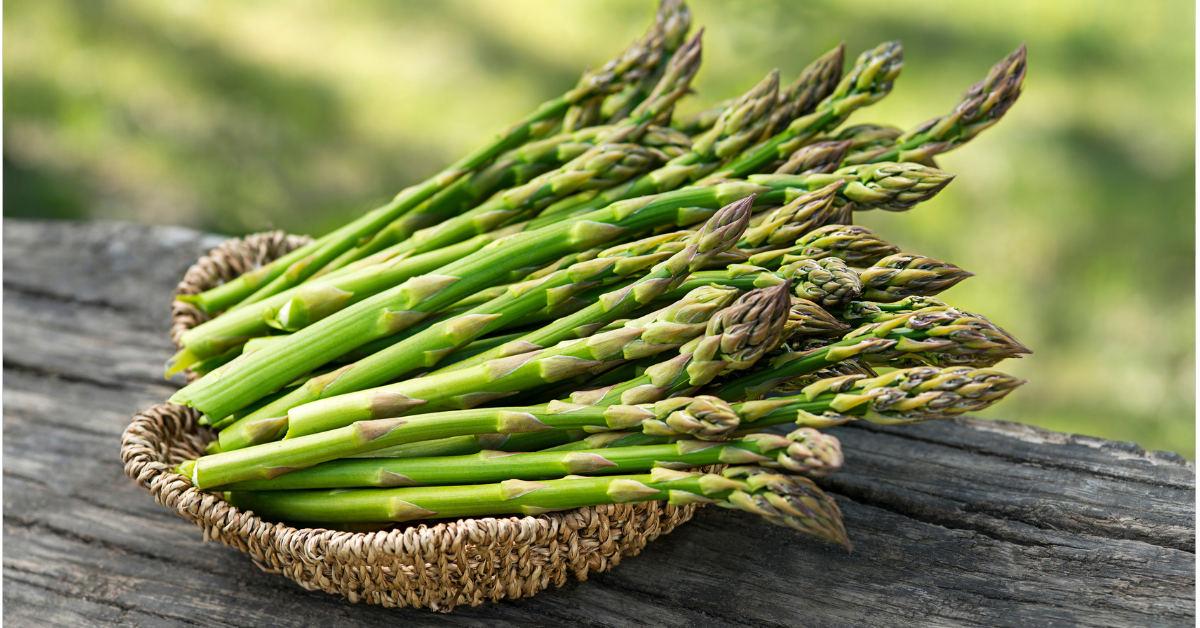
Asparagus: Small Food, Meaningful Benefits
Asparagus is one of those foods that earns its place on your plate.
It supports digestion, feeds beneficial gut bacteria, and provides nutrients your liver relies on every day. Because the gut and liver are closely connected, foods that support one tend to support the other.
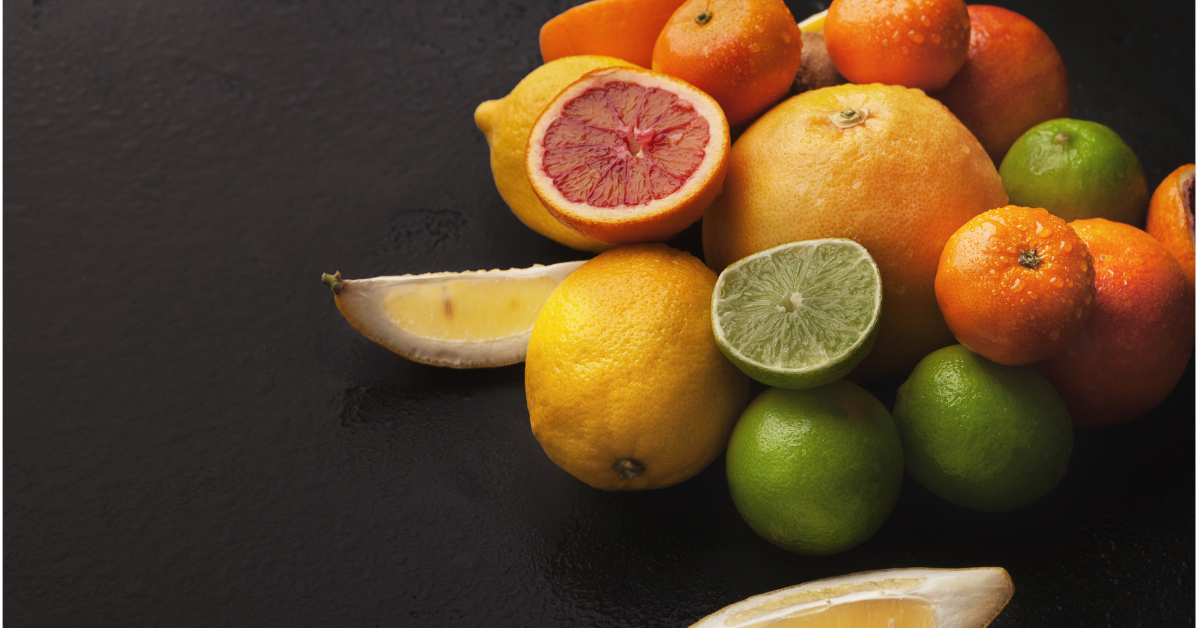
Citrus: More Than Vitamin C
Citrus fruits—lemons, limes, oranges, and grapefruit—are often associated with vitamin C.
But their real value goes much deeper.
Citrus plays a meaningful role in supporting the gut–liver axis—the direct connection between your gut and liver that influences inflammation, detoxification, and metabolic health.